






Emergency rubbish clearance Finchley Central Station today
Posted on 13/07/2026
If you need emergency rubbish clearance Finchley Central Station today, chances are something awkward has happened fast: a tenant has moved out and left junk behind, a shop has a pile building up outside, or household waste is blocking a hallway and needs sorting before it becomes a bigger problem. Whatever the trigger, speed matters - but so does doing it properly. The best clearance is the one that gets the mess removed quickly, safely, and without creating a second headache later.
This guide explains what emergency rubbish clearance involves, how same-day removal near Finchley Central Station usually works, what to expect on timing and access, and how to avoid the common mistakes that waste time. It also covers practical checks on pricing, safety, and disposal, so you can make a sensible decision even when the clock is ticking. Let's face it, when rubbish is in the way, you do not want a lecture. You want it gone.
Contents
- Why emergency clearance matters
- How the process works today
- Key benefits and practical advantages
- Who this is for and when it makes sense
- Step-by-step guidance
- Expert tips for better results
- Common mistakes to avoid
- Tools, resources and recommendations
- Law, compliance, standards, or best practice
- Options, methods, or comparison table
- Case study or real-world example
- Practical checklist
- Conclusion
- Frequently asked questions
Why Emergency rubbish clearance Finchley Central Station today Matters
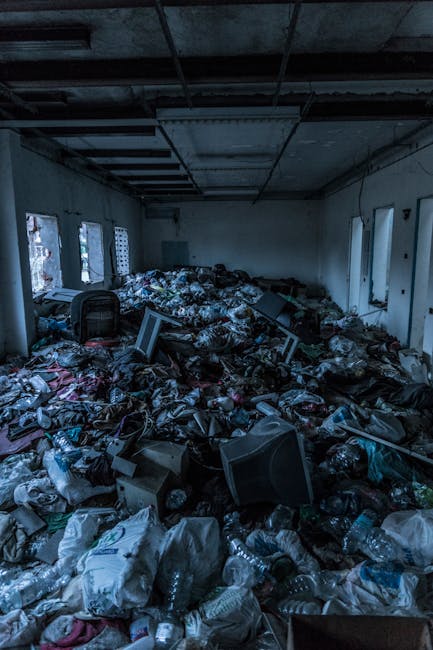
Emergency rubbish clearance is not just about tidiness. In a busy station area, rubbish can get in the way of pedestrians, disrupt business entrances, create a bad first impression, and sometimes become a safety issue. Near Finchley Central Station, that matters even more because people are moving quickly, pavements are narrow in places, and access can be tight at certain times of day.
There is also a practical reality to consider: rubbish left outside for too long can attract complaints, create odours, or make a property difficult to use. If you are a landlord, shop owner, managing agent, or homeowner preparing for a handover, the pressure is not only about appearance. It is about restoring order before the situation snowballs. One overflowing pile can turn into three, and before you know it, everyone is annoyed. Charming, really.
Emergency clearance is especially useful when the waste is:
- blocking access to a doorway, driveway, or communal path
- too bulky to move safely without help
- too much for a normal household bin collection
- time-sensitive because of a move, inspection, or event
- messy, mixed, or awkwardly stacked after a rush job or clear-out
In our experience, people often wait until the pile is embarrassing before calling. Fair enough. But the earlier you act, the easier and usually cheaper the job becomes.
How Emergency rubbish clearance Finchley Central Station today Works
Same-day rubbish clearance near a station area usually follows a fairly simple pattern, though the exact speed depends on access, volume, and the type of waste. The basic idea is straightforward: you describe the load, the team assesses what needs to go, and then removal is arranged as quickly as possible.
A typical emergency job starts with a quick assessment. That can be done from photos, a description, or a short call. The clearer the information, the better. If you say "just a few bags" but there are actually broken wardrobes, mixed builders' waste, and a garden trug full of wet soil, the plan will need adjusting. And yes, that happens more often than people admit.
Once the job is understood, the next step is scheduling. For urgent clearances, the key question is not only "can it be done today?" but also "can it be done safely and without causing disruption?" Around Finchley Central Station, that may mean thinking about parking, loading points, time-of-day access, and how long the crew will need on site.
The clearance itself usually involves:
- arrival and a quick on-site check
- confirmation of the waste type and load size
- safe lifting and loading
- separating recyclable items where possible
- removal from the property or street frontage
- final tidy-up of the cleared area
If the waste includes items with special handling needs, such as electricals, sharp debris, or anything contaminated, that should be flagged immediately. A reliable team will treat that seriously rather than brushing it off with a vague promise. That's the kind of detail that saves trouble later.
For readers comparing options, it may also help to understand the broader service landscape. A same-day emergency job may sit within wider waste removal services, while larger mixed loads may be better suited to waste clearance support. If the situation involves renovation debris, then builders' waste disposal in Finchley may be the better fit.
Key Benefits and Practical Advantages
The biggest benefit is obvious: you get your space back quickly. But there are several quieter advantages that people often appreciate only after the job is done.
- Reduced stress: A cluttered entrance or courtyard can sit in the back of your mind all day. Clearing it makes the place feel manageable again.
- Safer access: Loose bags, broken furniture, and stacked waste can create trip hazards, especially where people are passing through in a hurry.
- Better presentation: If you are expecting tenants, clients, or contractors, the site looks more organised and professional once the rubbish is gone.
- Less disruption: A fast clearance can prevent waste from spilling into multiple rooms or blocking a working area.
- More flexible timing: Emergency jobs can often be timed around busy periods, which matters a lot near transport links.
There is also a less obvious benefit: once the clutter is removed, you can actually see what needs to be done next. Sometimes a clearance is the difference between "a total mess" and "right, now I can deal with this." That clarity is worth a lot.
If the rubbish came from a property move or a change in occupancy, a broader clearance approach may help too. In that situation, house clearance in Finchley can be a sensible route. For business premises, office clearance support may be more appropriate, especially when desks, packaging, and old files are part of the load.
Who This Is For and When It Makes Sense
Emergency rubbish clearance is not just for dramatic last-minute disasters. It is useful for anyone who needs waste removed fast and without fuss. The most common situations include:
- Landlords and letting agents dealing with end-of-tenancy rubbish or fly-tipped leftovers
- Homeowners who need a rapid reset after decorating, decluttering, or a family clear-out
- Shops and local businesses that cannot leave bags or packaging outside until the next regular collection
- Contractors and builders who need debris moved off-site so work can continue
- Event hosts handling the aftermath of a party, gathering, or busy weekend
If you are deciding whether it is really an emergency, ask yourself one question: will waiting until tomorrow make the situation worse? If the answer is yes, then it probably makes sense to act today. A pile of rubbish near a station area can become a nuisance fast, especially if weather, foot traffic, or access restrictions are in play.
There is a useful local nuance here too. Finchley Central is a lived-in, busy part of north London, and practical access matters. If you are based nearby or comparing local living conditions, reading about Finchley resident views on day-to-day life or a local perspective on Finchley can help you understand why fast, tidy service is valued so highly around here.
Step-by-Step Guidance
If you need to get emergency rubbish clearance arranged today, a calm sequence works better than panic. The job usually goes more smoothly when you follow these steps.
- Identify exactly what needs removing. Separate general rubbish from anything that may need special handling, such as electronics, paint tins, sharp items, or rubble.
- Take clear photos. Wide shots and close-ups both help. If possible, include access points and any awkward stairs, tight turns, or basement areas.
- Estimate the volume. Think in simple terms: sacks, boxes, bulky items, or part-load/full-load size. If you are unsure, say so. Better honest than approximate in the wrong direction.
- Check access details. Is there a lift? Can a vehicle stop close by? Is loading easy or will the team need to carry items through a long route?
- Ask for a clear cost explanation. Pricing should be transparent enough to make sense before anyone starts lifting.
- Prepare the waste area. If it is safe to do so, gather loose items together. Do not over-handle sharp or heavy waste.
- Confirm timing and arrival expectations. Same-day does not always mean instant. It means the job is prioritised within the day.
A small but useful tip: if the rubbish is spread between indoors and outdoors, mark the sections before the team arrives. That sounds minor, but it can save ten minutes of wandering around, which matters when everyone is trying to move quickly.
For larger or more complex jobs, you may want to compare service types before booking. A general rubbish removal Finchley service is often the starting point, while mixed domestic clutter may need a more tailored house clearance approach. If the problem is mainly overfilled external space, garden waste removal can be the cleaner choice.
Expert Tips for Better Results
A few practical habits make emergency clearance easier, faster, and less likely to go wrong.
- Sort before you call if it is safe to do so. Separating obvious recyclables, furniture, and general waste gives the team a clearer picture.
- Be specific about awkward items. Mattresses, fridges, builders' rubble, and mixed heavy waste can change the job significantly.
- Think about timing around local traffic. Near a station, short windows can be easier than trying to squeeze into the busiest part of the day.
- Keep walkways clear. Even if the clearance is urgent, make sure nobody has to trip over boxes on the way in.
- Ask how recyclable items are handled. Good practice is to separate what can be diverted from general waste where possible.
One thing worth saying plainly: the cheapest option is not always the best option. If a provider cuts corners on sorting, access planning, or disposal, you can end up paying for that in stress. Nobody wants to discover that the bargain quote was a bit of a magician's trick.
If you are cost-conscious, it is worth reading about the real cost of cheap rubbish removal in North Finchley and how to avoid hidden charges when booking local clearance. Those guides are helpful because speed and value should work together, not fight each other.

Common Mistakes to Avoid
Emergency jobs are where rushed decisions happen, and rushed decisions are where little problems become big ones. The good news? Most of the common mistakes are easy to avoid once you know them.
- Underestimating the volume. A few bags can become a van full once everything is gathered together.
- Forgetting access issues. Tight roads, stairs, locked gates, or loading restrictions can slow the job down more than the waste itself.
- Mixing hazardous items with general rubbish. Do not assume everything can be lifted together without checking.
- Not asking about disposal. You want to know waste is being handled responsibly, not just whisked away.
- Waiting too long to book. If the waste is causing disruption now, delaying usually adds pressure later.
Another common mistake is assuming every clearance is the same. It really is not. A sofa, six bin bags, and some cardboard are one thing. Broken plasterboard, garden cuttings, and old appliances are another. A slightly messy explanation from you at the start is far better than a perfect guess that turns out wrong.
Tools, Resources and Recommendations
You do not need specialist tools for most emergency rubbish clearances, but a little preparation helps. If you are organising the job yourself before the team arrives, these items can be useful:
- strong bin bags for loose, safe-to-handle waste
- tape or labels for separating mixed items
- a phone camera for photos and before-and-after documentation
- gloves if you need to move light items safely
- a rough room-by-room or pile-by-pile inventory
From a service perspective, it is also useful to look at supporting information before booking. The pricing and quotes guidance helps set expectations, while insurance and safety information is worth reading if the job involves heavy lifting, sharp debris, or narrow access. If you care about where waste goes after collection - and you probably should - the recycling and sustainability approach offers useful context.
There are also practical company pages that can help build confidence before you book. The about us page is a simple way to understand who is handling the job, while payment and security information matters if you want a clear, low-friction process. Small details, yes. But they make a difference.
Law, Compliance, Standards, or Best Practice
For emergency rubbish clearance, the main compliance issue is making sure waste is handled by a responsible operator and taken to the right place. In the UK, waste duty of care is not something to shrug off. The short version is simple: waste should be transferred properly, handled safely, and disposed of through lawful routes.
For householders and businesses alike, the best practice is to ask sensible questions. Who is removing the waste? How is it transported? Can the provider explain the disposal route in plain English? If a company is vague about these basics, that is worth noting. A rushed job should still be a clean one, administratively speaking.
For commercial premises, there can also be extra care around confidential documents, electrical equipment, and mixed business waste. If you are clearing a workplace, it may be better to use a specialist office clearance service in Finchley rather than a generic collection. Likewise, if the waste is linked to construction work, a dedicated builders' waste disposal option is often the more sensible route.
Safety matters too. Heavy lifting, awkward stairwells, broken edges, and wet waste all increase risk. A good clearance approach puts safety first, even when the job feels urgent. That is not bureaucracy. That is common sense.
Options, Methods, or Comparison Table
If you are trying to decide how to deal with rubbish today, the main question is whether you need a quick emergency pickup, a planned clearance, or a narrower specialist service. Here is a practical comparison.
| Option | Best for | Speed | Typical drawback |
|---|---|---|---|
| Emergency same-day clearance | Urgent clutter, access problems, time-sensitive removals | Fastest | Needs clear access and quick decision-making |
| Planned rubbish removal | Known loads that are not immediately disruptive | Moderate | Not ideal if the rubbish is causing issues right now |
| House clearance | Multiple rooms, end-of-tenancy, fuller property clear-outs | Can be same-day or scheduled | May be more than you need for a small pile |
| Builders' waste removal | Renovation debris, rubble, heavy mixed construction waste | Usually quick once arranged | Needs accurate item description |
In plain English: if the rubbish is urgent and in the way, emergency clearance is the right fit. If it is not urgent, you may save money and reduce pressure by planning ahead. That sounds obvious, but in real life people often book the wrong thing because they are trying to move too quickly. Totally understandable. Still, worth thinking through.
Case Study or Real-World Example
Imagine a small property close to Finchley Central Station where a tenant has moved out suddenly, leaving several bin bags, a broken shelving unit, and a few bulky items in the hallway. The landlord needs the space cleared before an inspection later the same day. Not ideal. Not even close.
In that kind of situation, the first useful step is usually a quick photo-based assessment. The rubbish is not especially complicated, but access matters because the hallway is narrow and there is not much time to spare. Once the load is understood, a same-day collection can be scheduled, and the crew can remove the waste in one visit rather than dragging the issue into another day.
What made the job workable was not magic. It was simply good information upfront: clear pictures, honest description of the items, and an accurate note about the access route. The property was left usable again, and the landlord could get on with the inspection. A simple job on paper, perhaps. But when you are the one standing there looking at the mess, it does not feel simple at all.
This is also where local awareness helps. Near stations, the most efficient clearance is often the one that respects parking, loading, and foot traffic from the start. A crew that plans for those realities will usually save everyone time.
Practical Checklist
Use this checklist if you are arranging emergency rubbish clearance Finchley Central Station today:
- Take clear photos of all rubbish and access points
- List any bulky, heavy, sharp, or unusual items
- Confirm whether the rubbish is indoors, outdoors, or both
- Check for stairs, lifts, gates, parking limits, or loading restrictions
- Ask for a transparent explanation of the cost
- Confirm whether the job can be done today
- Set aside anything you want to keep before the team arrives
- Make sure pathways are safe and reasonably clear
- Ask how recyclable or specialist items will be handled
- Keep your phone nearby in case arrival details need a quick update
Expert summary: Fast rubbish clearance works best when the customer gives clear information, the access route is understood, and the provider explains disposal and pricing plainly. Speed is useful, but clarity is what keeps the job smooth.
Get a free quote today and see how much you can save.
Conclusion
Emergency rubbish clearance near Finchley Central Station is really about restoring control quickly. Whether you are dealing with a property move, a business spillover, builders' debris, or an awkward pile that should never have been left there in the first place, the principles are the same: act early, describe the load honestly, and choose a clearance approach that fits the problem.
When you keep things simple and practical, the whole process becomes much less stressful. You get the clutter gone, the space back, and a proper sense of relief. And frankly, there is something deeply satisfying about looking at a once-chaotic area and thinking, right - that's sorted now.
If you need the job handled today, stay calm, gather the details, and take the next step. A tidy space has a way of making everything else feel a little easier.


 Tipper Van - Rubbish Removal and Waste Collection Prices in Finchley, N2
 Luton Van -